Exploring Al Falahi Building: A Blend of Modernity and Tradition


Intro
In the heart of Dubai, where aspirations and architecture intertwine, the Al Falahi Building stands as a remarkable testament to the city's evolution. It's not just another high-rise; it embodies the essence of Dubai, seamlessly merging traditional aesthetics with contemporary functionality. This building serves as a focal point in a rapidly changing urban landscape, reflecting both the rich heritage of the region and the relentless pursuit of modernity.
As we delve into the intricacies of the Al Falahi Building, we will explore its architectural significance, the historical context from which it emerged, and its vital role within the community. From its design elements to its implications for investment opportunities, this narrative aims to provide a thorough understanding, especially for investors, agents, and expatriates seeking insight into Dubai's vibrant real estate market.
Market Analysis
Understanding the Al Falahi Building's position in the current market involves analyzing various layers of trend data and investment potential. The dynamics of Dubai's real estate sector are ever-changing, and the Al Falahi Building highlights both the foundational aspects of this market and its promise for future growth.
Current Trends and Insights
Recent developments indicate an upward trajectory in property values across Dubai, significantly influenced by the demand for unique architectural experiences. The Al Falahi Building, with its innovative designs, has attracted considerable attention, tapping into the sentiments of buyers who seek to own a slice of Dubai's ever-expanding horizon. Here are some key insights:
- Increased Foreign Interest: Investors are drawn by the allure of a cosmopolitan lifestyle combined with solid returns on investment.
- Strategic Location: The Al Falahi Building is positioned near major transportation links and commercial hubs, enhancing its appeal.
- Sustainability Focus: There is a growing trend toward sustainable architecture in Dubai, making buildings like Al Falahi highly desirable.
One cannot overlook the impact of global economic trends, fluctuating oil prices, and governmental policies that shape the market's landscape. As Dubai diversifies its economy, the demand for cutting-edge residential and commercial spaces continues to surge.
Future Projections and Opportunities
Looking ahead, the Al Falahi Building is poised to capitalize on ongoing developments in the region. Based on expert analysis, here are pivotal projections:
- Rising Resale Values: As the building attracts higher-profile tenants and residents, resale values are expected to climb steadily.
- A Hub for Startups: The architectural design is ideal for innovative workspace layouts, which can attract a wave of startups.
- Cultural Integration: As Dubai further integrates its cultural touchpoints with modern functionalities, the Al Falahi Building stands to benefit from increased foot traffic and community engagement.
"Investing in Al Falahi is not just about ticking boxes on a check-list; it’s about embracing a lifestyle choice that resonates with Dubai's pulse."
Lifestyle Considerations
Apart from its real estate attributes, the Al Falahi Building contributes to the overall lifestyle fabric of the community around it. Its proximity to essential amenities enhances daily living for residents and investors alike.
Neighborhood Highlights
The surrounding area of the Al Falahi Building is vibrant, showcasing the best of what Dubai has to offer:
- Cultural Attractions: Nearby art galleries and museums promote local and international artists, making it an ideal area for culture enthusiasts.
- Dining and Shopping: A plethora of cafes and high-end boutiques line the streets, catering to various tastes and budgets.
- Outdoor Spaces: Parks and recreational areas provide a much-needed respite from the urban hustle, fostering a sense of community and leisure.
Amenities and Services
Living in or around the Al Falahi Building means access to a suite of outstanding services, crucial for a comfortable lifestyle:
- 24/7 Security Services: Ensuring peace of mind for all residents.
- Fitness Centers and Pools: State-of-the-art facilities for health enthusiasts.
- Convenience Stores and Pharmacies: For everyday necessities, located just a stone's throw away.
In summary, the Al Falahi Building is more than a mere structure; it is a beacon of modern living rooted in tradition. For anyone contemplating investment or relocation in Dubai, understanding the nuances of this landmark building becomes essential.
Foreword to Al Falahi Building
The Al Falahi Building represents more than just a structure in Dubai; it serves as a vivid illustration of the city's ongoing dialogue between its rich history and bold modern aspirations. This building has quickly gained recognition as a pivotal landmark, crucial for both investors and residents eager to comprehend Dubai's unique atmosphere. Established amidst an eclectic mix of traditional Emirati culture and contemporary architectural styles, Al Falahi is a testament to the city's rapid growth while remaining deeply rooted in its heritage.
In terms of significance, the Al Falahi Building serves as a resourceful nexus for business, culture, and community engagement. It stands at the crossroads of various vital local amenities, providing ample access for individuals, families, and businesses alike. The importance of this location cannot be overstated, as it enhances the vibrancy of its surroundings and becomes an essential element in the daily lives of residents and visitors.
Potential buyers and investors with their eyes on the Dubai real estate market can find substantial benefits associated with this building. The area is not just about luxurious living but also about creating dynamic opportunities—whether for office spaces or retail ventures—catering to a diverse range of demographics. The proximity to transport links and essential services magnifies its appeal, making it an attractive option for those looking to invest or settle in Dubai.
Here's a closer look at some key aspects to consider regarding Al Falahi:
- Cultural Significance: The blend of modern design with traditional aspects resonates with those who appreciate both innovation and authenticity.
- Economic Potentials: Al Falahi offers strong investment opportunities that might appeal to seasoned investors and newcomers alike.
- Community Impact: The building's design and function have been tailored to serve and enhance the local community, making it not just a place to work or reside but also a hub of social interaction.
"The Al Falahi Building is not just an investment; it's a way to engage with the spirit of Dubai—navigating between past and future."
Historical Significance
The Al Falahi Building stands not just as a physical structure, but as a testament to Dubai's evolving story. Understanding its historical significance sheds light on how this building encapsulates the essence of the city at a time when it is harmonizing its rich traditions with mounting modernity. This section unpacks the multifaceted nature of this significance, illustrating what the building means in both the local and broader contexts.


Origins and Development
The roots of the Al Falahi Building go deep into Dubai's past, symbolizing the urban transformation that the city underwent in the latter half of the 20th century. Originally, Dubai was a modest trading post known for its pearl diving and fishing economy. As the city embarked on a rapid transformation in the 1960s, the building was conceptualized as part of a broader push towards modernization. Designed to cater to the increasing number of expatriates setting their sights on Dubai, the Al Falahi Building quickly became a pivotal hub in the burgeoning urban landscape.
Factors like the oil boom, geopolitical shifts, and economic liberalization played significant roles in its development. Furthermore, the incorporation of traditional architectural details within a modern framework serves as a bridge between history and contemporary life, allowing the building to tell a story of continuity amidst change.
Key Points of Development:
- Economic Growth: Al Falahi epitomizes how economic stimuli paved the way for architectural endeavors.
- Urban Planning: Its construction was part of a larger strategic vision for Dubai, emphasizing urban cohesion and fostering community bonds.
Cultural Influences
Cultural influences woven into the Al Falahi Building depict a narrative that respects heritage while embracing innovation. The design elements draw inspiration from Islamic architecture, featuring intricate geometric patterns and calligraphy. These elements not only honor the emirate’s Islamic roots but also provide a visual representation of cultural identity in a rapidly globalizing world.
Moreover, the Al Falahi Building plays a vital role in community engagement. It houses various exhibitions and cultural events designed to celebrate Emirati art and heritage. This commitment extends beyond simple preservation; it serves as a platform for dialogues between residents and visitors. It generates appreciation for local customs and creativity, thereby enriching the cultural tapestry of the region.
Notable Cultural Features:
- Art Installations: Rotating exhibits that enlighten viewers about local history and contemporary artistry.
- Cultural Programs: Workshops and events aimed at promoting Emirati traditions and fostering intercultural exchange.
“The Al Falahi Building is a living museum, where history echoes in the walls, yet innovation resonates through its very design.”
As Dubai continues to forge its identity in a fast-paced world, the historical significance of the Al Falahi Building stands tall. It functions as both a reminder of the past and a beacon of progress, illustrating how culture and modernity can coexist beautifully.
Architectural Features
The architectural features of the Al Falahi Building stand as a testament to the intricate synergy between modern design and traditional motifs. This duality is not just aesthetically pleasing; it embodies the essence of Dubai itself—a city that thrives on blending its rich history with cutting-edge innovation. Understanding the architectural features of this building is vital for investors and agents who are keen to grasp the market nuances of Dubai's real estate landscape.
Design Elements
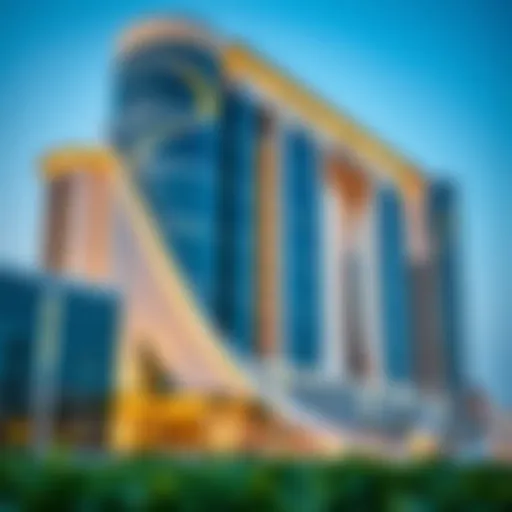
When diving into the design elements of the Al Falahi Building, one cannot overlook the striking façade that captures the essence of both the past and the future. The building features straight lines and geometric shapes, which are hallmarks of modern architecture. However, subtle details, such as arched windows and ornamental patterns, pay homage to traditional Islamic architecture. This blending of styles is not merely for show; it serves functional purposes as well. For example, the arched windows allow for natural light to permeate the interiors, creating a welcoming atmosphere while reducing energy costs.
In addition to the aesthetic appeal, the design fosters flexibility in use. Open-plan spaces can be adapted to a variety of functions, whether for residential or commercial purposes. The layout prioritizes user experience, making it ideal for those who wish to leverage the space for various ventures, thus enhancing its value in the real estate market.
"The architectural blend not only sets it apart visually but also enhances its viability as a multi-use property in a competitive market."
Materials Used
The choice of materials used in the Al Falahi Building is another critical aspect, reflecting a commitment to both sustainability and durability. The exterior boasts glass, steel, and stone, each carefully chosen for specific purposes. Glass is utilized extensively to complement the building's modern aesthetic, creating open visibility while providing energy efficiency through its advanced insulating properties.
Alongside glass, the use of natural stone aligns with traditional architectural principles, contributing to the building's tactile and sensory qualities. Whether it's granite or limestone, these materials are not just structurally sound but also convey a sense of permanence and tradition. They resonate with the cultural context of Dubai, where the natural landscape often inspires architectural choices. Moreover, locally-sourced materials reduce transportation waste, aligning with broader sustainability goals.
Sustainability Initiatives
Sustainability is an important consideration in the architectural design of the Al Falahi Building, stemming from a broader commitment across Dubai to develop eco-friendly urban spaces. The building integrates numerous sustainability initiatives, such as rainwater harvesting systems and solar panels that reduce dependency on non-renewable energy sources. These initiatives not only lower operational costs but they enhance the building's attractiveness to environmentally-conscious investors.
Additionally, energy-efficient fixtures and appliances are used within the residential units, which lowers the carbon footprint and contributes to the overall sustainability of the infrastructure. This sets a benchmark in the region, underscoring the value of environmentally responsible design in the real estate sector. As demand for green buildings rises, these features can significantly raise the property’s appeal among prospective buyers and renters alike.
In summary, the architectural features of the Al Falahi Building—ranging from its impressive design elements and carefully selected materials to its robust sustainability initiatives—not only enhance the building’s aesthetic but also contribute to its functionality and marketability, making it a true gem in Dubai's architectural landscape.
Al Falahi Building in the Real Estate Market
The Al Falahi Building stands as a cornerstone in Dubai's real estate landscape, merging historical richness with contemporary allure. This multifaceted edifice offers compelling opportunities not just for residents, but also for savvy investors. With its prime location and diverse amenities, understanding the Al Falahi Building's role in the property market is vital for anyone looking to navigate the vibrant real estate scene in Dubai.
Investment Opportunities
Investing in the Al Falahi Building is akin to securing a golden ticket in a booming carnival. The building's strategic position in the heart of Dubai makes it a hotbed for both residential and commercial ventures. Here’s why:
- Rental Income Potential: The demand for rental spaces is consistently high in Dubai, and this building attracts both locals and expatriates seeking convenient living solutions. Investors can expect a steady flow of income from well-located properties.
- Diverse Unit Options: The building features a mix of commercial and residential units, catering to a wide array of tenants—from start-ups yearning for office space to families looking for well-appointed apartments.
- Growing Affluence: Dubai is on a trajectory of economic growth, spurred by tourism and an ever-expanding expat community. This influx translates into sustained demand for property, particularly in coveted locales like Al Falahi.
- Government Support: The UAE government continues to introduce initiatives aimed at boosting the property sector, such as visa reforms for investors. Such developments further sweeten the pot for those looking to invest in Al Falahi.
Market Trends
Diving deeper into the market trends surrounding the Al Falahi Building, we observe a fascinating dance of supply and demand. Key trends currently shaping the local real estate market include:


- Rising Property Prices: Historically low prices combined with high demand have seen a gradual increase in property values. This could signal a prime opportunity for investors to enter the market before prices elevate further.
- Sustainability Focus: There’s an increasing emphasis on environmentally-friendly building practices. The Al Falahi Building integrates such initiatives, positioning it favorably in the eyes of eco-conscious tenants and investors.
- Technological Integration: Smart home technologies are gaining traction. The Al Falahi Building is no exception, offering features that appeal to modern renters and buyers who prioritize tech-savvy living spaces.
- Shifts in Buyer Preferences: Post-pandemic, there’s been a noticeable shift towards properties that offer more space and amenities. Prospective buyers are looking for residences that not only meet their needs but also foster a rich community experience.
Comparative Analysis with Other Properties
When comparing the Al Falahi Building to other properties in Dubai, it emerges as a notable contender:
- Location Comparisons: While other developments may boast glitzy features, Al Falahi's strategic location makes it particularly attractive. Proximity to major transport links, shopping, and dining options elevate its appeal.
- Price-to-Value Ratio: In contrast to nearby luxury towers, Al Falahi offers competitive pricing without skimping on quality or amenities, providing a sound investment for those looking to balance cost and value.
- Community Vibe: Unlike high-rise complexes that can feel impersonal, the Al Falahi Building fosters a community atmosphere. Prospective residents often cite this sense of belonging as a deciding factor.
"The Al Falahi Building stands as a beacon of opportunity in Dubai’s ever-evolving real estate market, suitable for both seasoned investors and first-time buyers."
- Maintenance and Management: The building is well-managed, ensuring that it maintains its charm and appeal, a critical factor that potential renters and buyers always consider.
Investors, real estate agents, and prospective homeowners should keep a keen eye on the Al Falahi Building. As Dubai continues to flourish and evolve, this building promises to be more than just a structure—but a thriving hub of opportunity.
Lifestyle Offerings
The Al Falahi Building represents more than just a physical structure; it is a living space that harmoniously integrates modern conveniences with aspects of traditional culture, making it a prime choice for investors and residents alike. The lifestyle offerings here not only cater to the needs of comfort and luxury but also provide a sense of belonging in a rapidly evolving urban landscape.
Amenities Within the Building
When it comes to amenities, the Al Falahi Building goes above and beyond the typical offerings found in other urban developments. Providing facilities that cater to a diverse demographic adds significant value for residents.
- Fitness Center: A state-of-the-art gym allows residents to maintain their fitness routines without having to venture far from home.
- Rooftop Garden: The rooftop garden provides a green retreat in the city, allowing for social gatherings or quiet reflection amid nature.
- Cafés and Dining: Several dining options within the building highlight local cuisines, making it easy to indulge in Dubai's rich culinary scene without sacrificing convenience.
These amenities create a lifestyle that feels both exclusive and accessible, enhancing the appeal for potential buyers.
Surrounding Area Highlights
The importance of the Al Falahi Building is amplified by its strategic location in a vibrant neighborhood. Living here is not just about the building itself but also about the surroundings that offer rich experiences.
Just a stone's throw away, residents can explore:
- Cultural Centers: Local museums and art galleries that spotlight the rich history and artistry of Dubai.
- Shopping Districts: Bustling markets and luxury shops provide a variety for both everyday needs and special splurges.
- Parks and Recreation Areas: Nearby parks offer spaces for family outings, pet walks, and outdoor activities that encourage community interaction.
These highlights collectively cultivate a lifestyle filled with cultural richness and recreational possibilities.
Community Engagement
What sets the Al Falahi Building apart is its focus on community involvement. This isn't merely a place to reside; it's a hub for social interactions and cultural exchange. Events and initiatives help foster community spirit among residents, making it a desirable place to live.
- Workshops: Regular workshops that cover topics from traditional crafts to modern technology enrich the community's skill sets.
- Social Events: Frequent social mixers encourage friendly interactions among residents, bridging different backgrounds and lifestyles.
- Volunteer Opportunities: Engagement with local charities promotes a sense of purpose and connection with the broader Dubai community.
All these elements create a cohesive community that values not just individual living but collective progress and engagement.
In essence, the lifestyle offerings at the Al Falahi Building not only enhance day-to-day living but also contribute to a community that reflects the vibrant spirit of Dubai.
Prospective Buyers and Investors
The Al Falahi Building stands as more than just a notable structure in the skyline of Dubai; it represents a tangible opportunity for those navigating the bustling waters of real estate investment. In this context, prospective buyers and investors should understand what makes this building uniquely attractive, the considerations involved in making a purchase, and the distinct benefits that come with investing in this property.
Understanding Buyer Demographics
In Dubai, potential buyers span a wide range of nationalities and income levels, but certain demographics are particularly drawn to the Al Falahi Building.
- Expatriates: The city is home to a large expat community, many of whom seek both rental and ownership options. The fusion of modernity and tradition attracts those who appreciate a taste of local culture without sacrificing contemporary conveniences.
- Young Professionals: With its prime location and dynamic lifestyle offerings, the building appeals to young professionals looking for a convenient work-life balance in a vibrant environment.
- Investors: Many investors are looking for properties that promise rental yields and capital appreciation. The Al Falahi Building, with its modern amenities and strategic location, checks these boxes.
These demographics call for a tailored approach in marketing and sales strategies to ensure alignment with prospective buyers’ needs and expectations.
Financing Options
Navigating the financial landscape of purchasing a property in Dubai can appear daunting, but various financing options exist to ease the process.
- Mortgages: Local banks and financial institutions offer a range of mortgage options, including Emirati housing loans and financing for expatriates. Generally, buyers can expect down payments ranging from 20% to 40% depending on the residency status and the selected bank.
- Developer Financing: Many real estate developers provide flexible payment plans that allow buyers to pay in installments during the construction phase, enhancing access to homeownership without the burden of a high upfront cost.
- Cash Purchases: In some cases, cash transactions are prevalent, particularly among investors seeking quick acquisitions and fewer administrative hurdles.

Being informed about these various financing options helps potential buyers make educated decisions about their investments, leading to better outcomes and satisfaction.
Legal Considerations
Understanding the legal framework when purchasing property in Dubai is crucial for buyers and investors. The process varies significantly for UAE nationals and expatriates.
- Ownership Regulations: While UAE nationals can own land and property outright, foreign buyers typically have access to freehold areas, such as the Al Falahi Building’s location. Knowing these areas is key to outlining purchasing rights.
- Documentation and Processes: Important documents like the title deed, the sale agreement, and mortgage documentation need to be in order. Foreigners may face additional verification requirements and should consult with local legal experts to navigate the requirements effectively.
- Taxes and Fees: Buyers should factor in the various taxes and fees, including a registration fee typically set at 4% of the property price. It’s wise to budget for additional costs related to maintenance and service charges that come with ownership.
Investing in the Al Falahi Building requires a grasp of the legal landscape to avoid pitfalls and ensure a smooth transaction. Knowledge of the multifaceted aspects surrounding property ownership not only empowers potential buyers but also solidifies their positions in the lucrative real estate market of Dubai.
Challenges and Considerations
Understanding the dynamics surrounding the Al Falahi Building's real estate offerings is crucial for anyone considering an investment in this landmark property. With any investment opportunity, particularly in a rapidly evolving market like Dubai’s, investors need to navigate various challenges and considerations that can affect their decisions and potential returns. Recognizing these aspects can provide a clearer view of the landscape and enhance strategic decision-making.
Market Volatility
The real estate market in Dubai can be a rollercoaster ride, sometimes experiencing wild swings that leave investors scratching their heads. Market volatility is shaped by several factors including economic conditions, global financial fluctuations, and local demand and supply dynamics. In the case of the Al Falahi Building, it's vital to keep an eye on trends both in the region and beyond.
When discussing market volatility, it's important to consider:
- Supply and Demand Dynamics: As new properties are developed, the allure of existing buildings might wane unless they continuously evolve to meet contemporary needs and preferences. For the Al Falahi Building, maintaining its competitive edge means constantly adapting its offerings.
- Economic Factors: The broader economic environment, influenced by tourism, trade, and geopolitical stability, can significantly affect property values. Investors need to monitor these trends closely to gauge future prospects.
- Buyer Sentiment: Fluctuations in buyer sentiment can create a snowball effect. If buyers feel bullish about the market, they are likely to invest more, causing prices to surge. Conversely, a pessimistic view can lead to stagnation or decline in property values.
Investors should remain cautious as they navigate this terrain, analyzing data and staying informed about shifts in the marketplace. Given that Dubai thrives on tourism and a strong expatriate presence, changes in these sectors can signal shifts in the real estate market.
Regulatory Framework
Another layer to consider when exploring the potential of the Al Falahi Building is the regulatory framework that governs real estate transactions in Dubai. The legal landscape can be complex and ever-changing, impacting both local and foreign investments. Understanding these regulations is key to ensuring a smooth transaction and safeguarding investments.
Investors should pay attention to:
- Ownership Laws: Different rules apply to foreign investors, particularly regarding property ownership and leasing rights. Familiarizing oneself with these laws can prevent mishaps that might lead to legal troubles.
- Registration Requirements: Buying property in Dubai typically necessitates registration with the Dubai Land Department, involving fees and processes that must be navigated carefully.
- Zoning Laws: The limits on what one can do with their property based on zoning regulations must also be understood. Are there restrictions on modifications or commercial use? Knowing these details helps align investor expectations with reality.
The regulatory landscape can seem daunting, but it offers protections and a degree of stability for both local and expatriate investors. Seeking professional advice from legal experts familiar with Dubai's real estate laws can illuminate the complexities and facilitate informed decisions.
"A clear understanding of market volatility and regulatory frameworks is crucial for success in the dynamic landscape of Dubai’s real estate."
Future Developments
As the urban landscape of Dubai continuously evolves, the Al Falahi Building stands as a crucial component in the city’s journey towards modernization. Future developments surrounding this landmark building play a significant role in shaping both the property market and the community's wellbeing. The anticipation of progress essentially revolves around innovation, community engagement, and sustainable growth.
Potential for Growth
The potential for growth in and around the Al Falahi Building is remarkable. With Dubai’s skyline constantly being redefined, there is a unique opportunity to enhance both commercial and residential spaces in the vicinity. This not only includes expanding office spaces but also integrating smart technologies that align with contemporary business needs. Furthermore, as more expatriates and investors eye Dubai for both living and commercial ventures, the demand for well-designed spaces escalates.
- Increased Demand: Ongoing global interest in Dubai as a business hub naturally paves the way for new investments. There’s a strong possibility that modern coworking spaces and startups might find their niche here, catering primarily to young professionals looking for an innovative work environment.
- Enhanced Infrastructure: With initiatives underway to improve transportation links and public services, accessibility to the Al Falahi Building is set to improve. More effective transport networks will not only ease commuting but also increase foot traffic to nearby businesses.
- Current Trends: The gradual shift towards sustainable living has led to many businesses reflecting eco-friendly practices. As interest grows, the potential for green buildings and eco-centric commercial properties in the area becomes increasingly feasible.
As one considers possible avenues for growth, it's essential to remember that the success of these endeavors depends on collaboration among stakeholders, including local authorities and private enterprises.
Community and Urban Planning Initiatives
When discussing the building's future, the role it plays within urban planning initiatives becomes invaluable. Urban planners recognize the importance of integrating modern developments with the cultural fabric of Dubai. The initiatives surrounding this area reflect a balanced approach that respects tradition while enabling innovation.
- Cultural Connectivity: Al Falahi Building has the potential to host cultural events and exhibitions that showcase local art and heritage, fostering a sense of community and engagement. These activities not only boost the building’s appeal but also enrich the local culture.
- Community Spaces: There is a growing focus on creating shared spaces where the community can interact. Plans to include parks, plazas, or open-air markets will not only beautify the landscape but also enhance the overall livability of the area.
- Sustainable Practices: The local council is pushing for environmentally friendly urban solutions. This includes the introduction of green spaces and sustainable architecture in new developments, promoting a healthier environment for residents and visitors alike.
Ultimately, the future developments tied to the Al Falahi Building are not just about economic viability; they are about creating a space that honors the past while looking toward a progressive horizon. In summary, ongoing initiatives are pointing toward a collaborative effort between developers, investors, and the community, aimed at achieving a holistic vision for an enhanced urban experience.
End
In wrapping up our exploration of the Al Falahi Building, it's clear that this iconic structure is not just a piece of real estate; it embodies the very essence of Dubai's evolving identity. Its architectural brilliance juxtaposes modern trends with cultural heritage, making it a significant landmark that tells a multifaceted story. The importance of this conclusion lies in recognizing how the Al Falahi Building serves various purposes for different stakeholders—residents, investors, and visitors alike.
For investors, the Al Falahi Building presents a compelling case study. Its strategic location in Dubai, combined with its architectural appeal, enhances its desirability, suggesting robust investment potential. It's not every day that one finds a property that offers both style and substance. With the currents of the real estate market continuously shifting, understanding such properties can be a game changer for those looking to invest smartly.
Residents, on the other hand, benefit from more than just a living space. Being part of a community that values tradition while embracing modernity provides a unique lifestyle. The amenities within the building and the vibrancy of the surrounding area foster a sense of belonging that many crave in today’s fast-paced world.
When considering future developments and community planning, it's essential to recognize how the Al Falahi Building integrates into the larger urban fabric of Dubai. The potential growth in this part of the city can substantially enhance property values and quality of life for existing inhabitants and newcomers alike.
Therefore, as we step back to reflect on everything discussed, the Al Falahi Building stands as a beacon of opportunity and cultural richness. Whether you're an investor hoping to tap into the Dubai real estate scene, a resident seeking a vibrant community, or merely a curious explorer, comprehending the nuances of this landmark is vital.
Ultimately, the Al Falahi Building is more than bricks and mortar; it’s a confluence of aspirations, history, and future potential. The relevance of our conclusion sheds light on what makes this site a pivotal hub in the heart of Dubai.